
The Visionary Blog
Informed and Empowered

Understanding Refractive Errors: Myopia, Hyperopia, and Astigmatism
Clear vision depends on light rays properly focusing on the retina, the layer of tissue at the back of the eye that processes images. When the eye's shape doesn’t allow light to focus correctly, refractive errors occur, causing blurry vision. The most common refractive errors are myopia (nearsightedness), hyperopia (farsightedness), and astigmatism. Each has unique characteristics and treatments and understanding them can help you make informed decisions about eye health and vision correction options.

LASIK vs. PRK: Which Vision Correction Surgery is Right for You?
When considering vision correction, LASIK (Laser-Assisted In Situ Keratomileusis) and PRK (Photorefractive Keratectomy) are two of the most popular options. Both procedures can reduce or eliminate the need for glasses or contact lenses, but they differ in technique, recovery, and suitability for various eye conditions. This guide will help you understand the differences between LASIK and PRK to help you make an informed decision.

When Is the Right Time for Cataract Surgery? Deciding Factors
Cataracts are a common age-related condition that can gradually impair your vision, affecting your quality of life. While cataract surgery is a safe and effective treatment, knowing when is the right time to proceed with surgery can be a difficult decision. This article will explore the key deciding factors to help you determine when it’s time for cataract surgery and what you should consider before scheduling the procedure.

Signs You Might Have Cataracts and When to See Your Ophthalmologist
Cataracts are one of the leading causes of vision problems, especially as we age. Often developing gradually, cataracts can cause blurry vision, difficulty seeing at night, and even complete vision loss if left untreated. Early detection is key to preserving your eyesight and maintaining your quality of life. In this article, we’ll explore the common symptoms of cataracts and when it’s time to see your doctor.

Can Cataracts Be Prevented? Tips for Protecting Your Eye Health
Cataracts are a leading cause of vision loss, especially among older adults. As we age, the lens of the eye naturally becomes cloudy, leading to blurry vision, difficulty seeing at night and even blindness if left untreated. While cataracts are often associated with aging, there are several steps you can take to reduce your risk and protect your eye health. In this article we’ll explore whether cataracts can be prevented and share practical tips for maintaining healthy vision throughout your life.

Different Types of Cataracts and How They Affect Vision
Cataracts are one of the most common causes of vision impairment, particularly among older adults. Over time, the eye's natural lens becomes cloudy, which can lead to blurry vision, difficulty seeing at night, and even blindness if left untreated. There are different types of cataracts, and each type can affect your vision in distinct ways.

What to Expect During Your First Visit to an Ophthalmologist
Visiting an ophthalmologist for the first time is a crucial step in maintaining your eye health. Whether you're dealing with vision issues or seeking routine care, knowing what to expect can ease any anxiety you may have. Here’s a detailed overview of what typically happens during your first visit to an ophthalmologist.
Top Reasons to See an Ophthalmologist
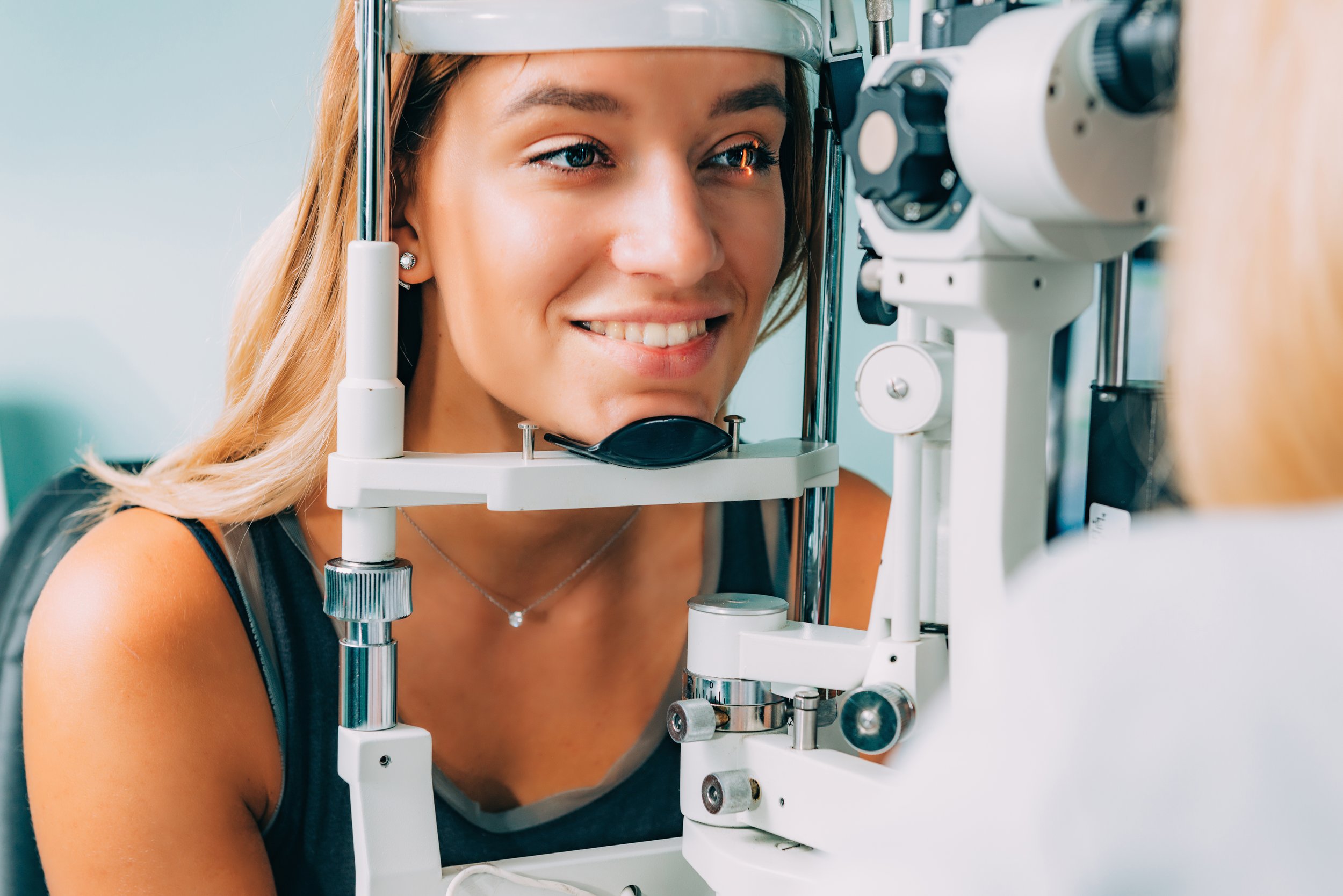
Taking care of your eyes is crucial to maintaining good vision and overall health. While routine eye exams are essential, there are specific situations where seeing an ophthalmologist—a medical doctor specializing in eye and vision care—is particularly important. Whether you're experiencing new symptoms, managing an existing condition or seeking preventive care, here are the top reasons to make an appointment with an ophthalmologist.

How to Choose the Right Ophthalmologist for Your Eye Care Needs
When it comes to your eye health selecting the right ophthalmologist is crucial. Whether you need a routine eye exam, treatment for a specific condition or specialized surgery, having a qualified and experienced eye care professional is essential. With so many options available, how do you choose the right ophthalmologist for your needs? This guide will walk you through the key factors to consider, ensuring you make an informed decision that best suits your eye care requirements.

Cross-Linking for Keratoconus
Corneal cross-linking is a minimally invasive procedure designed to strengthen the cornea by creating new bonds between the collagen fibres within it. This process helps to halt the progression of keratoconus and reduce the risk of further vision loss.

What is LASIK? A Guide to Laser Eye Surgery
Discover everything you need to know about LASIK, a revolutionary laser eye surgery that corrects vision problems like nearsightedness, farsightedness, and astigmatism. Learn about the procedure, benefits, risks, and if you're a suitable candidate for this life-changing treatment.

Understanding the Types of Intraocular Lenses (IOLs) Used in Cataract Surgery
Learn about the different types of intraocular lenses (IOLs) used in cataract surgery, including monofocal, multifocal, toric and EDOF IOLs. Discover which lens is best for your vision needs.

How Cataract Surgery is Performed: A Step-by-Step Guide
Discover how cataract surgery is performed, from initial consultation to recovery. Learn about the procedure, types of intraocular lenses, and what to expect before, during and after surgery.

Selective Laser Trabeculoplasty (SLT) for the Treatment of Glaucoma
Learn about Selective Laser Trabeculoplasty (SLT), a non-invasive and effective treatment for glaucoma that can reduce intraocular pressure and dependence on medications.

Essential Tools for Diagnosing Glaucoma
Discover how Optical Coherence Tomography (OCT) and Perimetry are revolutionizing glaucoma diagnosis. Learn about their benefits, how they work, and why they are essential for early detection and effective management of glaucoma.

What is an Ophthalmologist?
Understanding eye health is crucial for maintaining good vision and overall well-being. When it comes to eye care, one specialist stands out: the ophthalmologist. But what exactly is an ophthalmologist, and how do they differ from other eye care professionals? In this guide we'll explore the role of an ophthalmologist, their training, the conditions they treat and why regular visits are essential for your eye health.

Glaucoma: An In-Depth Guide
Learn about glaucoma symptoms, causes, treatment options and prevention methods. Stay informed and protect your vision with our comprehensive guide.

Debunking Myths About Laser Vision Correction Surgery
Laser vision correction surgery, such as LASIK (Laser-Assisted In Situ Keratomileusis), has become a popular option for those looking to reduce their dependence on glasses or contact lenses. Despite its popularity and proven success, several myths and misconceptions persist about the procedure. We will debunk some of these myths and provide accurate information to help you make an informed decision

Understanding and Managing Dry Eye: An In-Depth Guide
Dry eye is a common eye condition which affects millions worldwide. It can significantly impact daily life causing discomfort and even impairing vision. This comprehensive guide explores the causes, symptoms, treatments and preventative measures of dry eye, offering valuable insights to help manage this common condition.

All you need to know about Cataracts
A Cataract is a clouding of the crystalline lens inside the eye which causes progressive dimming of vision. It is most commonly caused by aging but may be associated with conditions such as Diabetes. It can be treated by performing Cataract Surgery.